


As enterprise software specialists, we find ourselves continually balancing innovation with a multitude of constraints. One such domain that often presents both opportunities and challenges is the implementation and management of kms office systems. Understanding these factors is crucial for efficient enterprise deployment. The intricacies involved in deploying kms office solutions require a deep understanding of both the technical aspects and the strategic implications such systems hold for large organizations.
Understanding KMS Office: A Key Component in Enterprise Environments
KMS (Key Management Service) is a critical aspect of modern software activation processes. In large organizations, managing numerous licenses can be daunting, which is where kms office comes into play. The service allows for centralized management of volume licensing, streamlining product key management. This centralization not only reduces administrative burdens but also ensures that software compliance is maintained across all departments, reducing the risk of unauthorized software usage.
The ability to manage licenses on such a scale provides businesses with the agility to scale operations without being hindered by cumbersome license verification processes. Moreover, kms office systems are designed to seamlessly integrate with existing IT infrastructures, thereby minimizing disruptions during transitions or upgrades.
The Role of KMS in Software Activation
Software activation via KMS is favored by many enterprises due to its flexibility in managing activations for different Windows versions, including kmspico windows 11. This system utilizes a license server to activate software without requiring individual product keys for each installation, making it ideal for large-scale operations. The efficiency gained through this method enables IT departments to focus on other critical tasks rather than being bogged down by constant license-checking routines.
Furthermore, the adaptability of kms office systems means they can support various versions and editions of Microsoft products, ensuring that companies can cater to diverse user needs without compromising on compliance or efficiency.
Challenges with KMS Office Implementations
Despite its advantages, deploying kms office solutions is not without challenges. Network installation requires careful planning to prevent potential issues with connectivity or server overloads. Moreover, maintaining compliance with licensing agreements while using tools like kmspico or other activators poses additional legal and operational hurdles. Organizations must ensure that their network infrastructures are robust enough to handle the demands of continuous license checks and updates.
Additionally, security is a significant concern when implementing kms office systems. Ensuring that all data transmissions are encrypted and that access to the KMS servers is strictly controlled is essential to prevent breaches that could compromise sensitive information.
Innovations in KMS Office Deployment
Recent innovations have made deploying kms office systems more efficient. For instance, automation tools simplify the process of activating multiple instances across an organization. This reduces administrative overhead and ensures consistent software performance across all machines. Automation also reduces human error, which can lead to discrepancies in license counts or activation failures.
The introduction of cloud-based solutions has further enhanced the flexibility of kms office deployments. By leveraging cloud services, organizations can achieve greater scalability and resilience in their license management processes.
Volume Licensing and Product Key Management
One significant advancement is the refinement of volume licensing models, allowing organizations to purchase licenses tailored to their specific needs. This flexibility minimizes waste and optimizes resource allocation within the IT department. Companies can allocate resources more effectively by ensuring that licenses are available exactly where needed without over-purchasing unnecessary ones.
This model also supports better financial planning as it aligns licensing expenditures more closely with actual usage patterns, thereby enabling more accurate budgeting and forecasting at an enterprise level.
Enterprise Deployment Strategies
Efficient enterprise deployment involves strategic planning around kms office tools. A common approach includes staggering activation schedules to distribute network load evenly. Additionally, utilizing snapshot timing in virtual environments helps ensure reliable activation processes. By carefully scheduling activations during off-peak hours or distributing them across different time zones, companies can mitigate risks associated with network congestion or server downtime.
Furthermore, adopting a phased rollout strategy allows organizations to test deployments on smaller groups before scaling up operations company-wide, thus identifying potential issues early on and refining strategies accordingly.
Tools and Techniques Enhancing KMS Office Efficiency
The deployment of kms office systems benefits greatly from using specific tools and commands. For example, DISM (Deployment Image Servicing and Management) is widely used to automate the configuration of Windows images before deployment, ensuring uniformity and reducing manual intervention. By standardizing image configurations across all devices within an organization, IT teams can significantly reduce setup times and enhance overall system reliability.
Moreover, integrating scripting languages like PowerShell into deployment workflows allows for even greater customization and control over activation processes, enabling IT professionals to tailor solutions precisely to organizational needs.
KMSPico: A Double-Edged Sword?
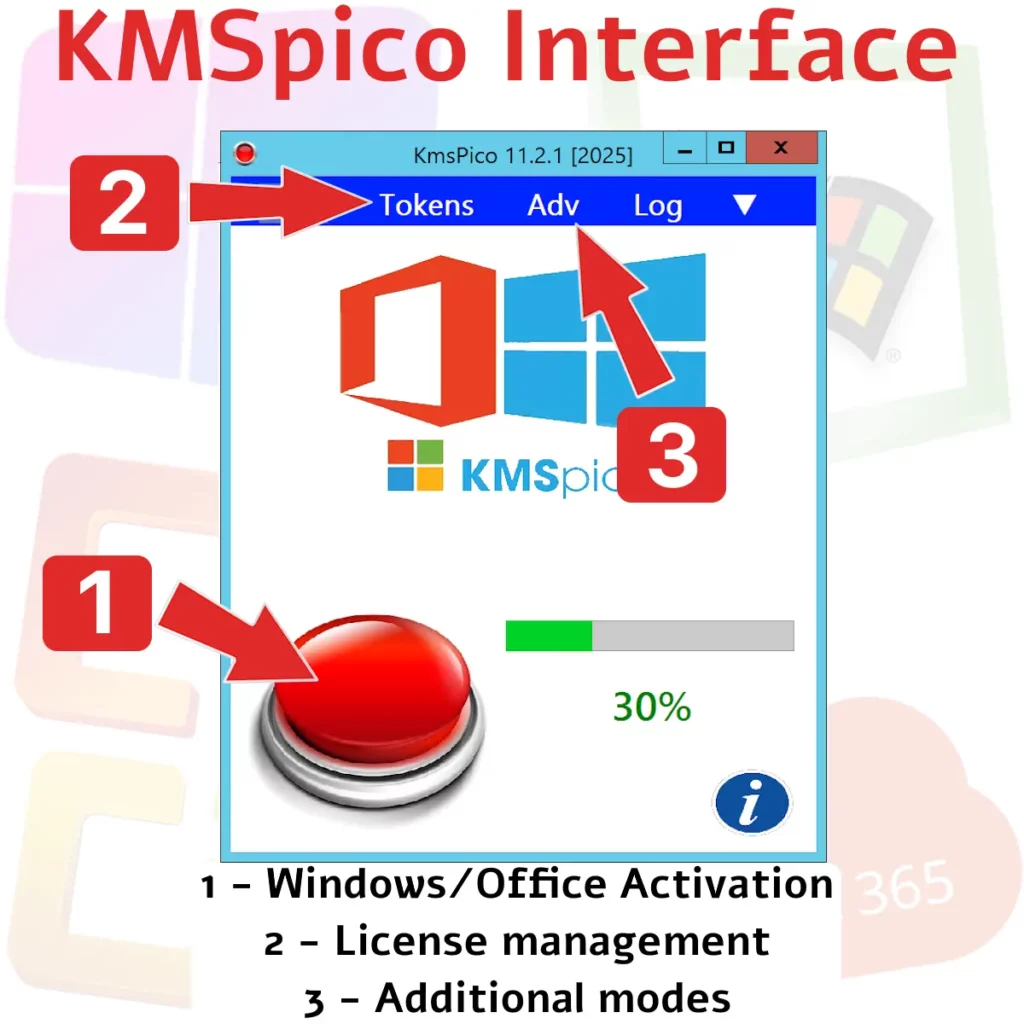
KMSPico, often considered an unofficial tool for activating Microsoft products like Office 2019 activator and older versions like kmspico windows 7, offers convenience but at potential risk. Its use can lead to security vulnerabilities or breach terms of service agreements if not managed correctly within an organization. While it may provide a quick solution for activation challenges, relying on such tools without proper oversight could expose businesses to legal repercussions or cyber threats.
Organizations must carefully weigh the pros and cons of using third-party tools like KMSPico against official channels provided by software vendors to ensure long-term sustainability and compliance in their operations.
Lab Constraints Impacting KMS Office Setup
A typical lab constraint might involve limited resources such as VM setups restricted to 2 vCPU / 4 GB RAM configurations. These limitations can affect testing accuracy when simulating larger deployment scenarios typical in production environments. Testing environments must be adequately provisioned to reflect real-world conditions accurately; otherwise, results may not translate well into live settings.
Additionally, ensuring that test environments are isolated from production networks prevents accidental interference with live systems during experimental phases of kms office implementations.
Navigating Legal and Ethical Boundaries
The use of kms office-related technologies necessitates a keen awareness of legal implications. Ensuring that all software deployments align with vendor agreements is paramount to avoid sanctions or financial penalties. Organizations must maintain rigorous documentation practices regarding their licensing arrangements and adhere strictly to terms set forth by vendors like Microsoft.
Ethical Use of Activators and Third-Party Tools
- Adhering to official channels for kmspico windows 10 activator download safeguards against potential security threats.
- Regular audits and compliance checks should be part of standard IT protocols to verify legitimate usage.
- Developing comprehensive policies around software acquisition ensures transparency in procurement processes while preventing unauthorized installations within organizational networks.
- Engaging legal counsel early when considering alternative activation methods helps clarify any ambiguities regarding permissible uses under current laws governing intellectual property rights globally.
KMS systems like kms office are pivotal in modern IT strategies, promising efficiency while posing unique challenges. Navigating these requires a blend of technical acumen and strategic planning to fully harness their potential in enterprise environments. As technology continues evolving rapidly alongside increasing regulatory scrutiny worldwide—particularly concerning data privacy protections—businesses must remain vigilant about adapting practices accordingly while balancing innovation benefits against potential risks inherent therein too!
